In an ever-evolving property market, house and land packages have become an appealing option for many Australian homebuyers. Looking ahead to 2026, understanding their advantages can help buyers make confident, informed choices. This content explores the key reasons house and land packages continue to attract strong interest across Australia.
Why Are House and Land Packages Popular in 2026?
Cost-Effectiveness
House and land packages remain popular because of their cost-effective structure, often delivering better value than purchasing an established home. By combining the land purchase with the build contract, buyers can reduce overall costs and avoid many of the hidden expenses that come with older properties.
Developers frequently secure bulk pricing from builders and suppliers, passing these savings on to buyers. This makes it possible to access modern construction methods and quality materials at a lower price than organising a build independently.
With the cost of living continuing to rise, affordability plays a major role in buying decisions. House and land packages offer a practical pathway to home ownership without placing unnecessary pressure on household budgets.
Tailored Customisation
A major advantage of house and land packages is the opportunity for customisation. Buyers can work closely with builders to select layouts, finishes, and features that suit their lifestyle and preferences.
This flexibility is often available without exceeding budget limits, unlike established homes that may require costly renovations. Starting fresh allows homeowners to prioritise functionality and comfort from day one.
Custom-designed homes can also appeal to future buyers, as contemporary designs and finishes often align with market expectations. The ability to personalise without excessive costs helps explain the continued popularity of house and land packages in 2026.
What Are the Financial Incentives for Choosing a House and Land Package?
Tax Benefits
In 2026, government incentives continue to support new residential construction. Buyers of house and land packages may access tax benefits related to new builds, including concessions tied to construction costs and loan interest.
First-home buyers may also qualify for grants or stamp duty relief, helping to reduce upfront expenses. These incentives can make a meaningful difference, particularly for buyers entering the market for the first time.
By taking advantage of these benefits, homeowners can lower long-term ownership costs. This financial relief adds to the appeal of house and land packages as a strategic property choice.
Financing Options
Home loan options in 2026 are increasingly designed to suit house and land packages. Many lenders now offer flexible financing structures, including lower deposit requirements and staged payment options during construction.
Some loans allow buyers to lock in interest rates while the home is being built, helping protect against rate increases. This predictability supports better budgeting and long-term planning.
Managing land and construction costs under a single finance arrangement also reduces complexity. These streamlined options make house and land packages an accessible and attractive investment choice.
How Do House and Land Packages Affect Build Timelines?
Streamlined Processes
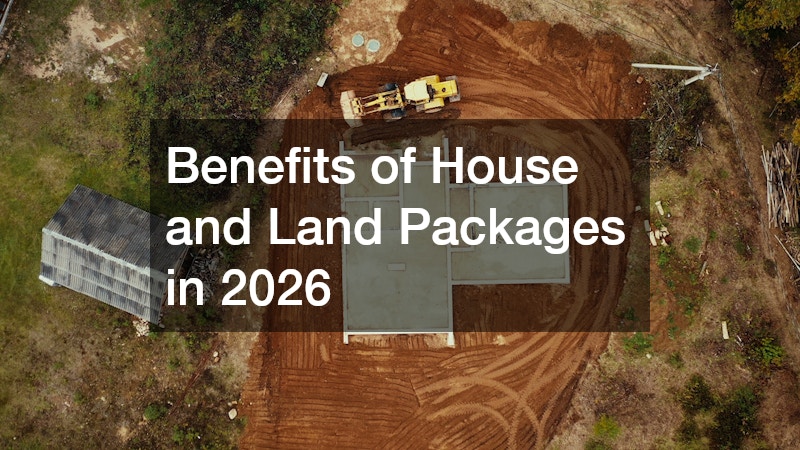
House and land packages often come with faster build timelines due to coordinated planning between developers and builders. With these parties already aligned, projects can move from approval to construction more efficiently.
This approach reduces delays caused by negotiating with multiple stakeholders. As a result, buyers can move into their new homes sooner than they might with a custom build on separately purchased land.
Shorter construction periods may also reduce interest costs during the build phase. This adds another layer of financial benefit for buyers wanting a quicker transition into home ownership.
Pre-Planned Development
Many house and land estates are pre-planned, with essential infrastructure and approvals completed before lots are released. Services such as roads, utilities, and drainage are typically in place, helping avoid unexpected delays.
With fewer administrative hurdles, buyers experience a smoother construction process and clearer timeframes. This preparation supports more efficient move-in schedules and reduced uncertainty.
Well-planned estates also support cohesive neighbourhoods, contributing to a stronger sense of community. Thoughtful development planning remains a key drawcard for buyers in 2026.
Can House and Land Packages Support Sustainable Living?
Eco-Friendly Designs
Sustainability plays a growing role in new housing developments. In 2026, many house and land packages feature environmentally conscious designs that incorporate sustainable materials and construction practices.
Builders increasingly adopt energy-saving technologies and low-impact materials to reduce environmental footprints. These features respond to both buyer demand and stricter environmental standards.
For homeowners focused on sustainability, starting with a new build allows eco-friendly choices to be integrated from the outset. This makes house and land packages appealing to environmentally aware buyers.
Energy Efficiency
Energy efficiency is a defining feature of modern house and land packages. New homes often include improved insulation, efficient appliances, and smart home systems that reduce energy use.
Lower energy consumption can translate into ongoing savings on power bills while also supporting broader environmental goals. These features help homes meet current efficiency standards and future expectations.
By combining affordability with sustainable performance, house and land packages offer both economic and environmental benefits. In 2026, this balance continues to resonate strongly with Australian homebuyers.